Cognitive Development: From the Glenn to Fontan
What does brain and cognitive development look like for a baby at only about 80-85% oxygen? It ranges and no babies are the same but there are some trends. Read the summary below.
Big Picture
Toddlers with HLHS are at elevated risk for neurodevelopmental differences due to a combination of:
Altered brain development before birth
Periods of reduced oxygen delivery (especially pre-Fontan)
Cardiopulmonary bypass and ICU exposures
Medical stress, hospitalizations, and feeding challenges
Many children show subtle, uneven profiles rather than global intellectual disability.
Key Takeaways
HLHS toddlers post-Norwood/Glenn often have mild, uneven cognitive profiles
Language, attention, processing speed, and executive skills are most commonly affected
Fatigue and oxygenation significantly influence performance
Early intervention can substantially improve outcomes
Outcomes are highly individual and not predictive of future intelligence
A breakdown by various areas of cognitive development
1. Global Cognitive Development
Mildly lower average cognitive scores compared with healthy peers (often still within normal range)
Slower acquisition of new skills, especially under fatigue or illness
Greater variability day-to-day in attention and learning capacity
Important: Severe intellectual disability is not typical in the absence of major neurological injury.
2. Language Development
Common patterns
Delayed expressive language (talking) more than receptive language (understanding)
Smaller vocabulary and shorter sentences
Slower speech processing speed
Contributing factors
Prolonged intubation or reduced early vocalization
Frequent hospitalizations limiting language-rich interaction
Fatigue limiting sustained speech effort
3. Executive Function (Early Signs)
Even in toddlerhood, early executive skills may show differences:
Reduced working memory (holding information briefly)
Difficulty with task switching
Slower problem-solving
Less cognitive flexibility during play
These often become more noticeable at preschool age.
4. Attention & Processing Speed
Shorter attention span
Easily overwhelmed in noisy or busy environments
Slower response time to instructions
Fatigue significantly worsens attention
This is often physiological, not behavioral.
5. Motor–Cognitive Integration
Motor delays (common in HLHS) affect cognition indirectly:
Delayed crawling/walking → fewer opportunities for exploration-based learning
Poor endurance limits sustained play
Fine motor delays impact early problem-solving and play skills
6. Memory & Learning
Difficulty consolidating new information
Learning improves with repetition and structure
Better performance in familiar routines than novel situations
7. Sensory Processing Differences
Some toddlers exhibit:
Heightened sensitivity to sound, touch, or movement
Difficulty regulating arousal (over- or under-responsive)
These can interfere with attention and learning
8. Emotional Regulation & Social Cognition
Greater emotional reactivity or withdrawal
Difficulty self-soothing
Increased reliance on caregivers for regulation
Social interest is usually intact but may be fatigue-limited
9. Effects Specific to the Pre-Fontan Period
Before Fontan completion:
Lower oxygen saturation can affect endurance, alertness, and processing speed
Cognitive performance may fluctuate with hydration, illness, or oxygenation
Some gains accelerate after Fontan, but not all challenges resolve
10. Strengths Often Observed
Despite risks, many toddlers with HLHS show:
Strong social engagement
Good receptive language
Curiosity and motivation to interact
Resilience and adaptability in familiar environments
Summary of Glenn Head
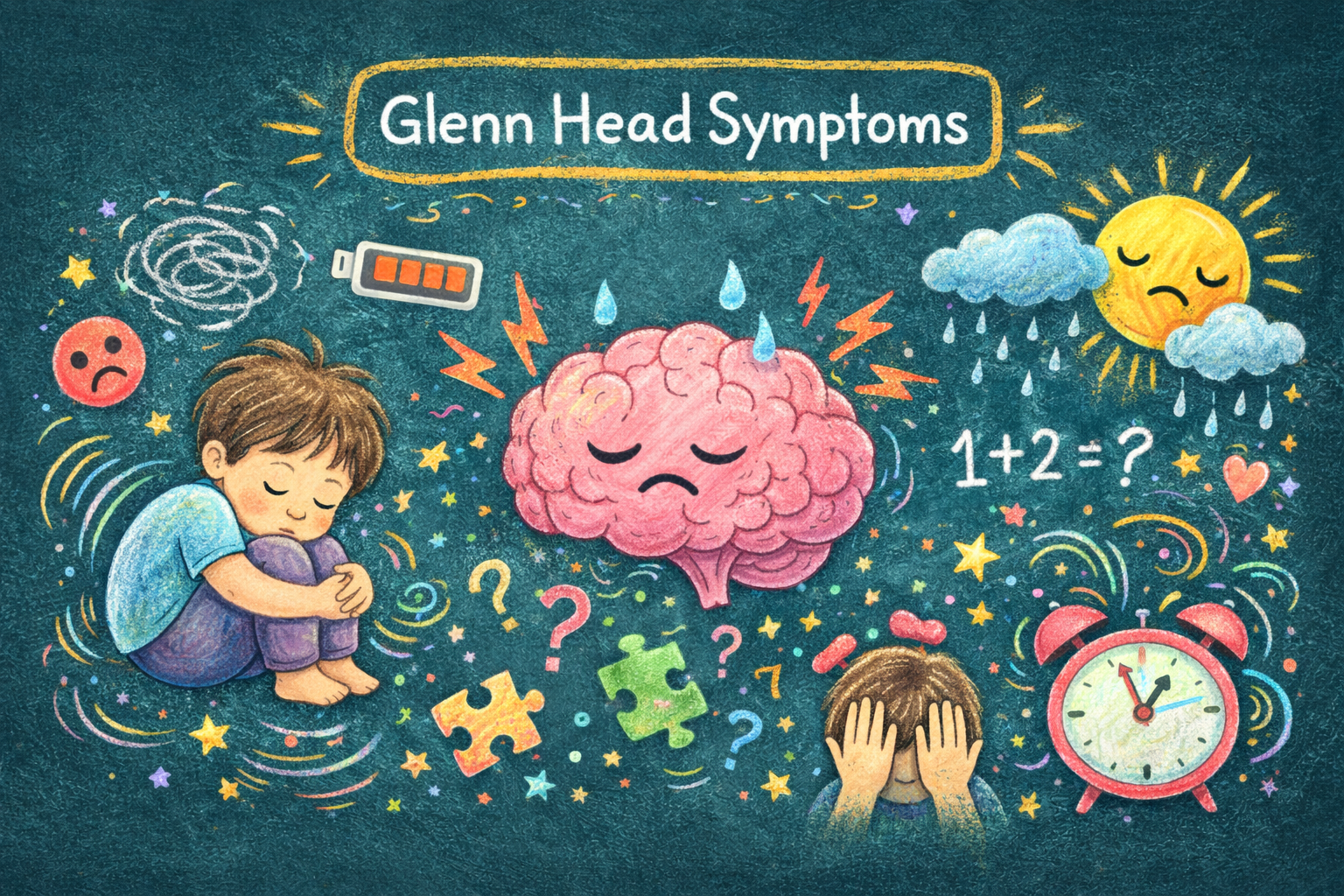
What is Glenn Head and what symptoms should I look out for, specifically in toddlers. While Glenn Head is usually monitored right after receiving the Glenn surgery, it can continue to happen prior to the Fontan surgery. Here is a summary of symptoms and cues to watch out for.
Symptoms, Effects, & Toddler Warning Signs
Glenn head refers to symptoms caused by elevated pressure in the superior vena cava after Glenn circulation, leading to venous congestion in the head and upper body.
Common symptoms include:
Facial or eyelid swelling
Redness or flushing of the face and head
Prominent veins in the neck or scalp
Head pressure or headache
Physiologic effects include:
Increased venous pressure in the head, neck, and upper chest
Slower passive blood flow from the upper body to the lungs
Potential decreases in oxygen saturation if flow is impaired
Temporary worsening during illness, dehydration, or crying
Symptoms to Look Out for in Toddlers
Because toddlers cannot describe head pressure or headaches, symptoms often appear as behavioral or physical changes, including:
Increased irritability or inconsolable crying
Head-holding, rubbing, or frequent touching of the face or scalp
Resistance to lying flat or sudden preference for being upright
Puffiness around the eyes, especially after sleep
Worsening symptoms during crying, straining, or illness
Fatigue, decreased activity, or reduced play tolerance
Vomiting without a clear gastrointestinal cause
Poor sleep or frequent night waking
Clinical Significance
Glenn-head symptoms are common early after surgery
New or worsening symptoms months to a year later are less typical
Persistent or progressive signs in toddlers should prompt cardiac evaluation to rule out increased resistance or obstruction in the Glenn pathway